YOU KNOW WHAT YOU WANT FOR THEM

the hard part is making it possible
A.R.T.
is here to help
When your child gets stuck:
This can look very different from one child to another
You might notice that they:
-
know what they want to say but can’t get the words out
-
struggle to start - even when they want to do something
-
shut down when there is too much demand
-
seem physically unable to move, transition or respond
-
become overwhelmed very quickly
-
lose access to clear thinking when things get hard
-
need a long time to recover after school, outings or ordinary daily demands
-
seem disconnected from what their body is telling them
-
react before they have any real chance to choose what happens next
-
need much more support than their intelligence or understanding would suggest

A.R.T. gives you another place to work from:
It's based on the premise that your body is a highly sophisticated, living system - organised around patterns it has learned over time.
Small, simple movements - pressure - rhythm - pauses - give your nervous system different information to work with
-
You don’t need to force change
-
Your child doesn’t need to explain what they are feeling
-
They don’t need strong interoception or emotional language
-
They don’t need to understand why their body is reacting the way it is.
-
The work can begin with the body itself, even when speech, movement or engagement are limited.
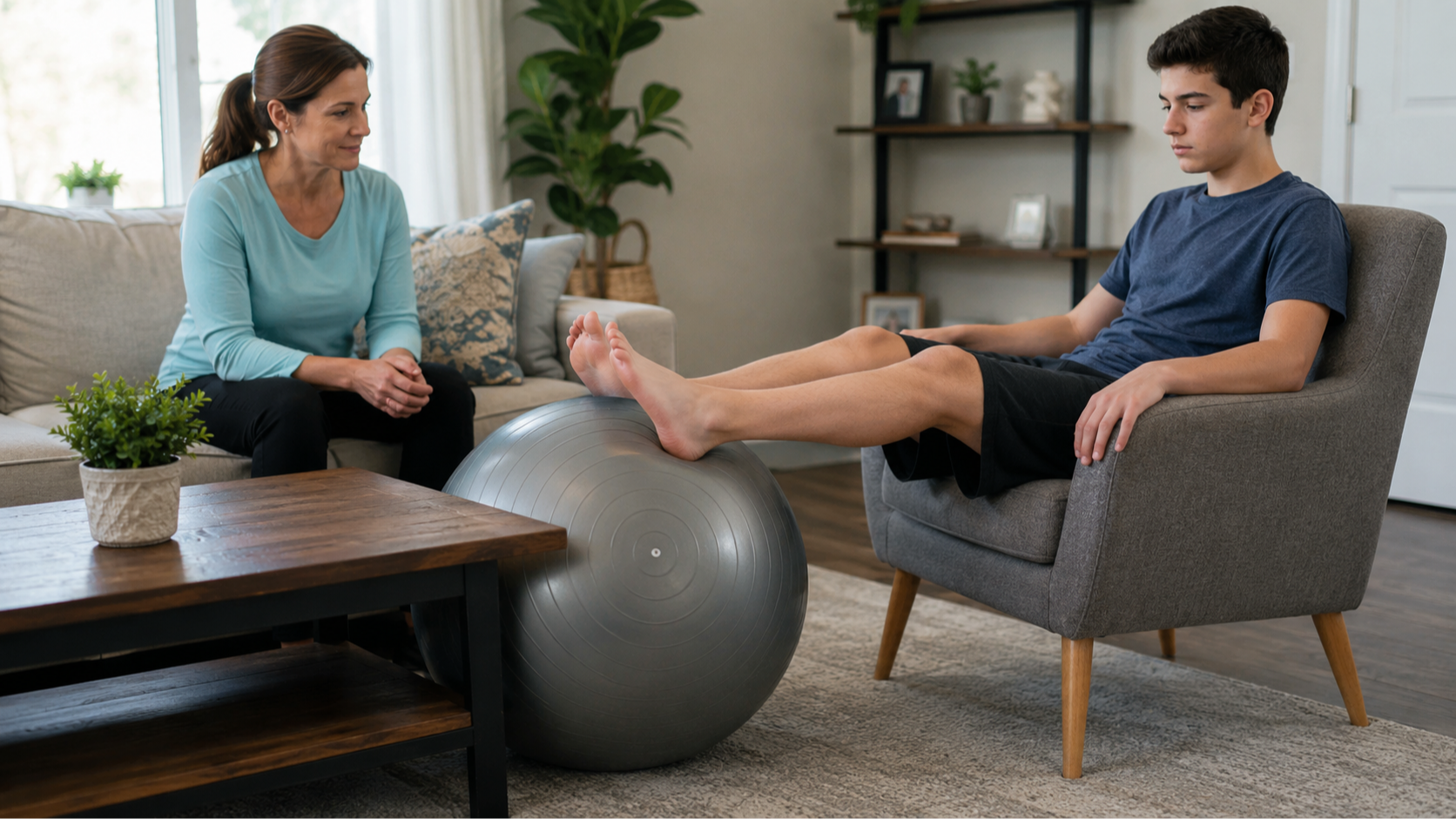
A.R.T. is highly individualised
Every child has a different nervous system, a different history and a different way of getting stuck. A.R.T. works with the child in front of us.
The aim is to help your child have better access to themselves - their movement, thinking, communication and ability to respond.
This might mean being better able to:
-
Say or communicate what they want
-
Start when they want to start
-
Move or transition more easily
-
Access their thinking when things get difficult
-
Recover more easily after overwhelm
-
Make choices and have more say in what happens
It’s about giving your child more access to their own mind, body and personal agency
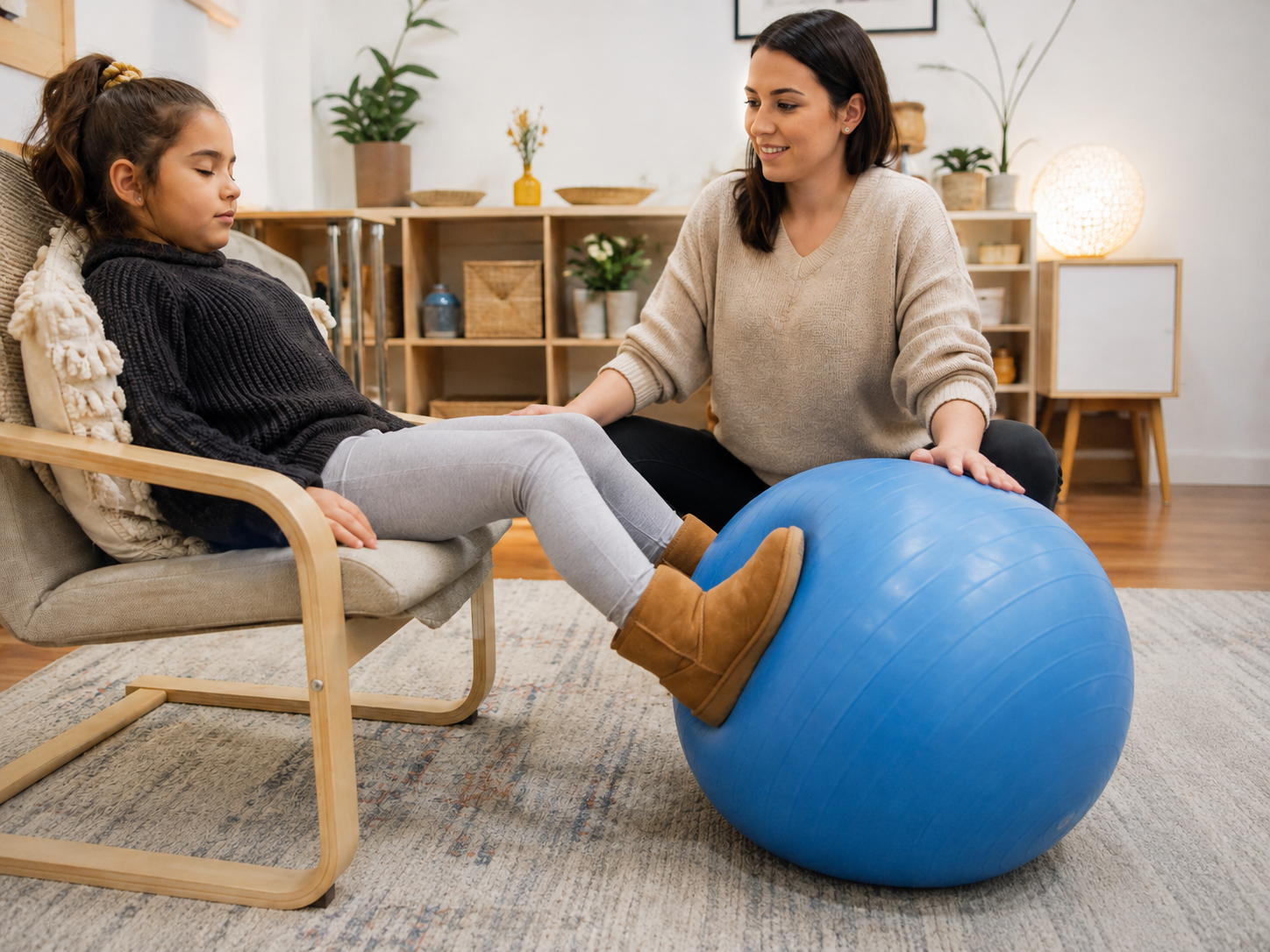
One family's journey with A.R.T.
Each person's story is a different story
A.R.T. EVALUATION
The Polyvagal Theory is an excellent way of understanding what happens to us when the nervous system 'drops out'
The vagus nerve is responsible for maintaining connection between the brain and body - it lets us have access to coordination and movement, executive functioning, working memory and social engagement. If, very early in life, there has been a reason for the body going into an immobilised state (and thhis can be many things) - the body can both learn this as a pattern - and grow around this nervous system 'collapse'.
It can then become a known response, that the body goes to when things get tough. Often, the body withdraws without there even being much reason.
We then see this is behaviours - acting out, withdrawl and isolation - anxiety and depression.
This can be a hard place to access by talking therapy, and management tools only go so far. Often traditional therapies have an expectation of foundational skills, that the individual has not mastered (interoception, emotional awareness, body awareness).
A.R.T. works without the need fot these foundational skills. In fact, A.R.T. promotes these skills.
Through gentle somatic practices, with a focus on teaching you the how and why all along the way. we make room for the body to learn something new. We teach it to find a state of deep rest - and help it find a place where it can re-assess some of it's earlier choices.
We build self-mastery, self-awareness, self-agency.
I work with a huge variety of people, Some autistic, some with trauma, many with early birth issues, adhd, borderline and bipolar issues, catatonia, cataplexy, narcolepsy - things where the body takes over.
See below for my online course, or message for more info on sessions, either in person or online - Holly Bridges
Click the button for a biometric, qualitative and quantitative assessment of A.R.T.
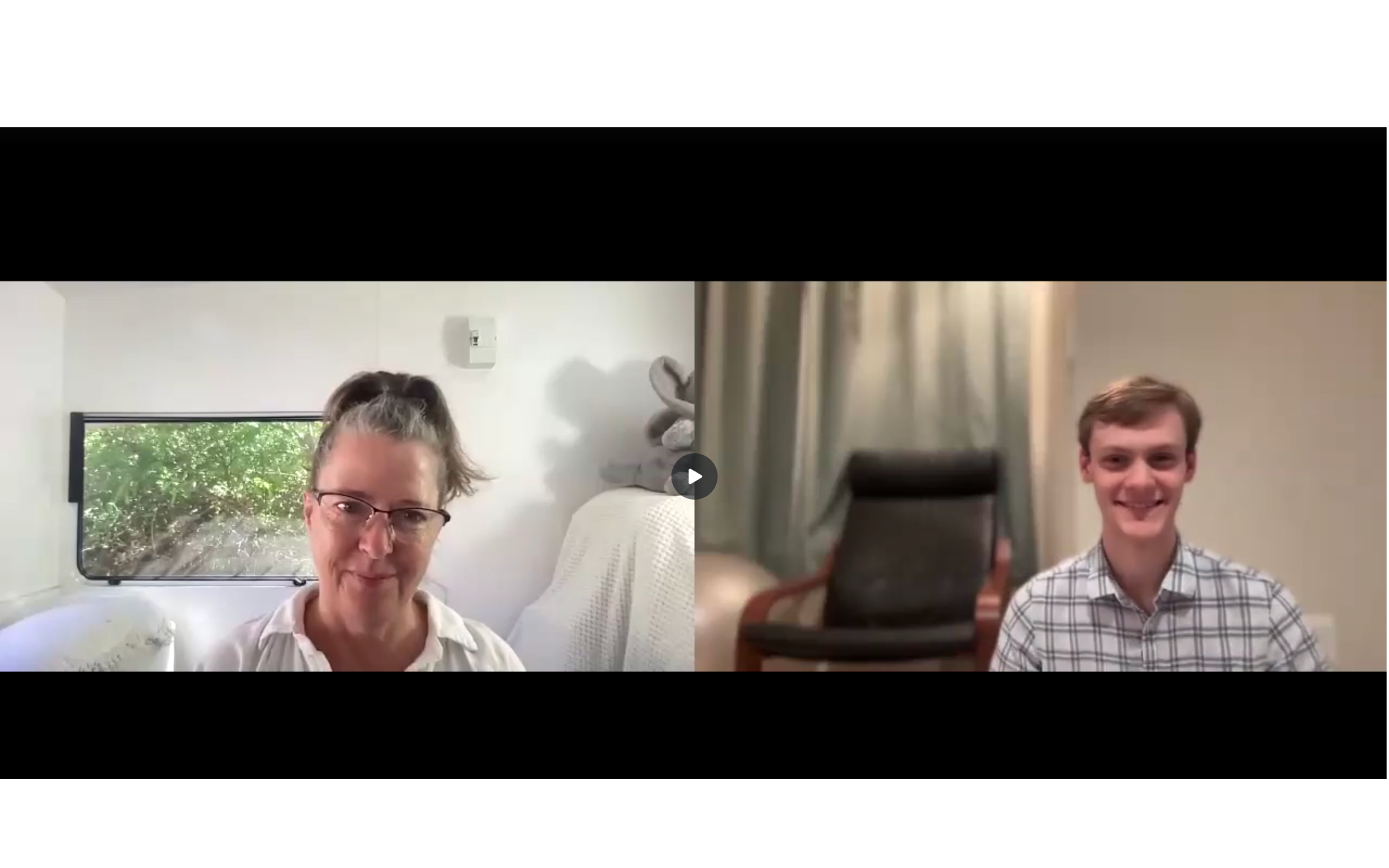
See Testimonials below
START HERE

Begin to understand your own nervous system, and begin using the A.R.T. practices for yourself and your child.
LEARN MORE

Dr. Swati Paliwal (mother)
Lori (mother)
"We noticed a profound change. He became more aware of his body. Being still and doing the ball exercise was noticeably easier by the end of their work. He is much more calm at home. He can sit still and be quiet for long periods. Car rides are effortless. Oppositional/avoidant behavior has drastically decreased. We can have pleasant conversations with him. He can express thoughts and ideas and how he feels. His executive function skills are much improved and he can plan his day better. He can tolerate being in the same room with his sister. His relationship with the entire family is moving towards connection."
Lisa (mother)
"Holly bridges helped my son feel safe and it changed basically everything for him. It has been amazing to see his smile again, his excitement about new experiences—because he is ready for them now—and to enjoy his personality and new found ability and flexibility. My son, who at one time didn’t like to leave the house, now has a drivers license and loves the independence it affords. You will not find a more patient, inspired practitioner. Holly has been a miracle worker for Scott through her gracious, patient, highly attentive therapy work. And this was accomplished despite being on separate continents! We are grateful for all she has taught us about the brain & body, and how & why A.R.T. works."
Tia (mother)
"I could write a book on the transformation my son and therefore our family have had since we started with Holly! We had a boy who would flinch or cry out if you touched his shoulders, reverse into you as stiff as a board if you asked for a hug, huge sensitivity to sounds/ overstimulation and I realise now the time, effort and stress that went into maintaining life in general. This feels like a lifetime ago...We’ve since moved overseas, everything is constantly new and he takes it in his stride, all of the things we thought he’d missed learning when the other kids were socially zooming ahead, he’s now added to his bag of skills. He can joke ( yes even sarcasm!), I get hugs all the time ( his request) and best of all he is so happy and confident in his life and friends!"
Kelcey and Mark (parents)
"Holly's work is unlike anything we have come across, the proof comes in many many small but significant changes over time, many noted below. But also when family and friends that have known our daughter for many years say, she's so happy, there's something different, she wouldn't have done that before - whatever you are doing keep doing it!"
Prefer individual support?
Work one-to-one with A.R.T. to help your child be happier - and the best version of themselves.
Explore 1:1 A.R.T.