YOU KNOW WHAT'S POSSIBLE

You just can't find a way to get them there
A.R.T.
is here to help
When your usual tools don’t quite reach the problem
You may be working with clients who:
- understand what you are asking, but still cannot act on it
- have plenty of insight, but very little access to change in the moment
- can talk about what is happening, yet their body keeps doing something else
- shut down, freeze, dissociate or become overwhelmed before the intervention can really land
- cannot reliably access interoception, emotional language or reflective thinking
- appear resistant, avoidant or unmotivated when the difficulty is actually physiological
- make progress in session, but lose access to it under stress
- need increasingly more prompting, co-regulation or external support
- have reached a plateau despite good therapy and a strong therapeutic relationship
- leave you knowing there is more going on, but without a clear way to reach it
A.R.T. gives practitioners another place to work. It focuses on the physiological organisation underneath speech, movement, cognition, behaviour and emotional processing — the very capacities that are the hardest for this population to access.
This is the gap A.R.T. is designed to address.
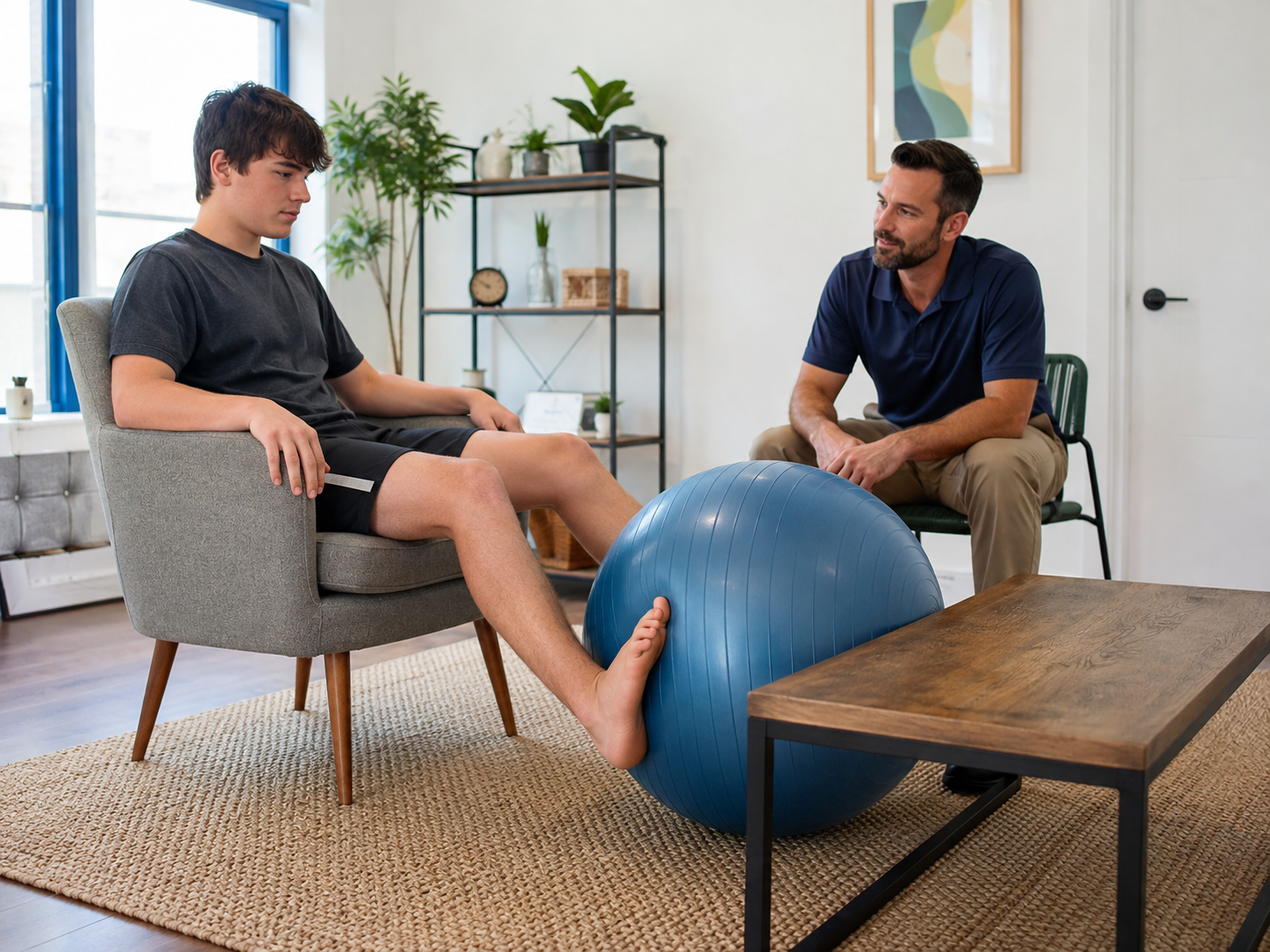
A.R.T. gives you another place to work from
A.R.T. starts from the premise that the body is a highly sophisticated living system, organised around patterns it has learned over time.
When those patterns become rigid, access can narrow. Speech, movement, thinking, interoception and choice may all become harder to reach — even when the client understands what is happening.
A.R.T. uses small, highly attuned inputs such as movement, pressure, rhythm and pauses to give the nervous system different information to work with.
-
The client does not need to explain what they are feeling
-
They do not need strong interoception or emotional language
-
They do not need to understand why their body is reacting the way it is
-
You do not need to force change or push through resistance
-
The work can begin even when speech, movement, reflection or engagement are limited
A.R.T. works with the physiological organisation underneath function — the level that helps determine what is actually available to the client in the moment. It also works with the human and their lived experience.
The aim is to widen that access, so more of their own movement, communication, thinking, self-awareness and agency becomes available.

A.R.T. is highly individualised
Every client has a different nervous system, a different history and a different pattern of physiological organisation. A.R.T. is built around the person in front of you, rather than a fixed protocol.
The aim is to identify where access is narrowing and work directly with that pattern, so the client has more of their own movement, thinking, communication and choice available.
That might look like being better able to:
-
say or communicate what they want
-
initiate without as much prompting
-
move or transition more easily
-
stay cognitively available under stress
-
recover more quickly after overwhelm
-
notice and respond to internal cues
-
make choices before automatic responses take over
The clinical question becomes less “How do I get this person to do more?” and more “What needs to become available for them to do it for themselves?”
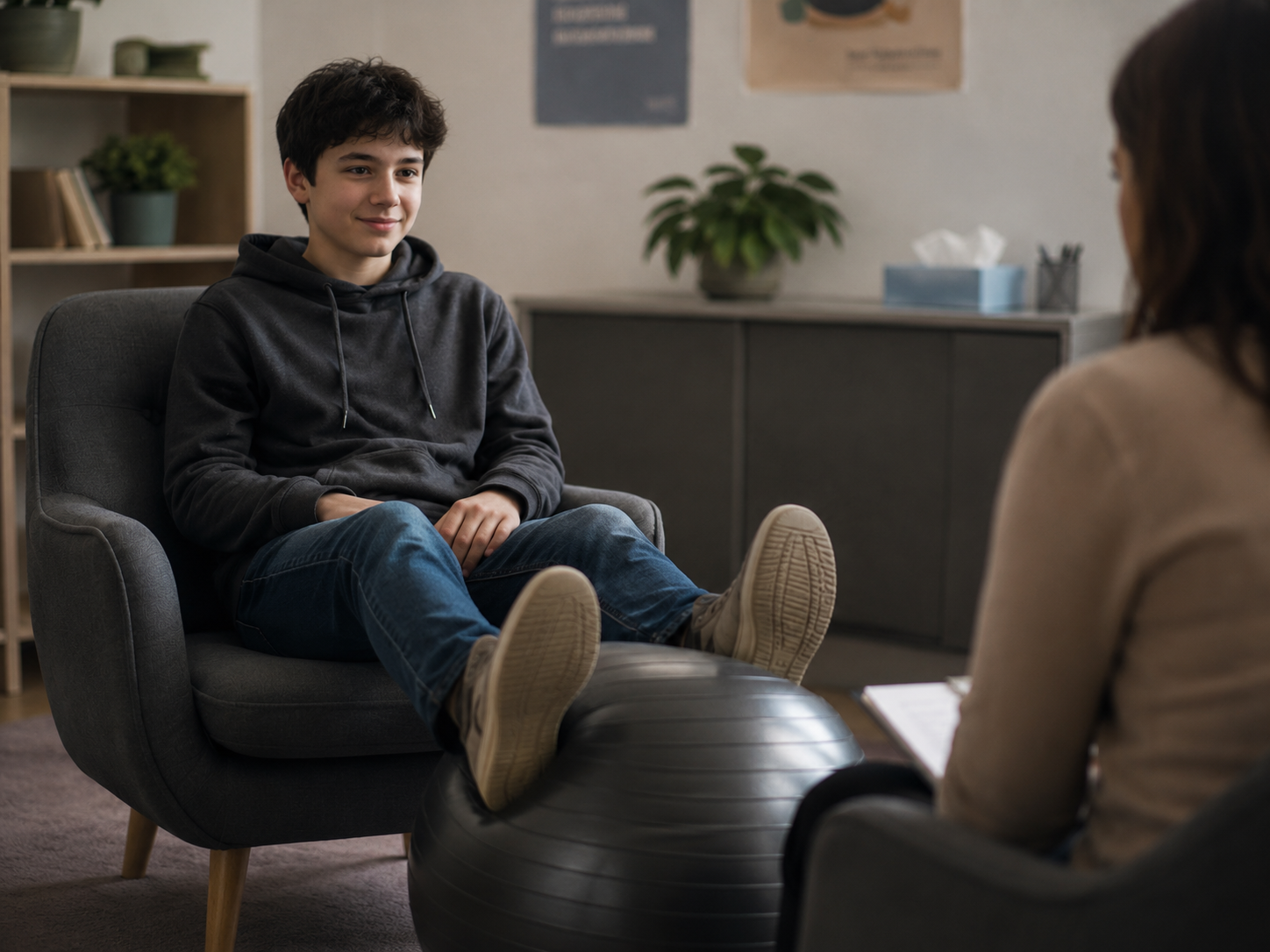
A.R.T. EVALUATION
The Polyvagal Theory is an excellent way of understanding what happens to us when the nervous system 'drops out'
It is also much more complex than we sometimes are taught. If you see some of my Substack writings, you will see that I am not trying to relax the system, nor regulate. Instead, I am appreciating the high complexity of the nervous system and attempting to teach it something that is might not have learned, or has forgotten.
This can happen by very early birth trauma, early surgeries - or a myriad of things that happen to a human body, mind and soul.
For many presentations - autism / adhd / trauma - access by talking therapy and management tools can only go so far. Very often, they have an expectation of foundational skills (interoception, connection to body, and emotions) that people simply do not have.
A.R.T., gets to those hard to reach places.
The work is gentle, it appreciates the intelligence of the human (whatever their outside capacity) and it teaches autonomy and self-reliance through a much deeper connection to the body and the nervous system.
I work with a huge variety of people, Some autistic, some with trauma, many with early birth issues, adhd, borderline and bipolar issues, catatonia, cataplexy, narcolepsy -
See below for my online course, or message for more info on individual sessions (if you want to get a feel for what it is about).
A.R.T. Foundations is the start of an amazing journey towards being even more useful to your clients.
- Holly Bridges
Click the button for a biometric, qualitative and quantitative assessment of A.R.T.
See some of the ways that A.R.T. can help
START HERE
A.R.T. FOUNDATIONS
LEVEL 1 TRAINING
Expand the way you understand and work with neurodivergence
Deepen your understanding of Polyvagal Theory
Learn tools to help the body regain access to movement, thinking, communication and choice
Begin integrating Holly’s A.R.T. practices into your work
See Testimonials below
LEARN MORE
Angeline Hazebroek (Senior OT)
"My young client previously presented with a very blunted affect, but is now displaying a wide range of emotions and facial expressions, as well as expressing his needs. I have watched as this young person has “come alive”, he is asking questions, advocating for himself and expressing himself with greater clarity and insight."
Sree Thamburaja (FRCPsych)
“As a Psychiatrist, A.R.T exercises and vocabulary has given many patients with chronic mental health issues the much needed ‘exhale’, the words describing their experience living in and with their bodies. A.R.T in many ways is a portable toolkit for clinicians wishing to work with patients in a therapeutically non intrusive way”.
Professor Tony Attwoood
"Holly seems to have discovered a new perspective on catatonia and autism."
Stella Waterhouse (Autism Decoded)
“An important and impactful advance that offers great hope to those struggling with this under-recognized condition." (catatonia)
Nelle Frances (Sensory Detective)
"Holly Bridges offers a new, embodied language for supporting autistic people through trauma, shutdown and deep nervous system overwhelm."
Fee Plumley (UK client)
" After several years of searching for the Holy Grail - somatics trauma therapy through the neurodivergent lens - I was nervously excited to discover Holly's practice earlier this year. Holly guided me through a week-long intensive, which fundamentally shifted both baselines and perspectives, and drastically improved my immediate wellbeing and longer-term self-belief. The experience has been quite literally life changing and I haven't stopped praising both somatics practice and Holly ever since! Holly is an absolute delight to work with, having the envious ability to hold a calming space for challenging moments, while also sharing the more complicated science with a side order of laughter. I cannot recommend her more.”
Katherine Davey (USA client)
"It’s amazing. I feel more me. I feel more saturated and potent, like I was previously washed-out and nebulous. I experience things as more vivid and engaging. The way I speak to others is more powerful, more personal, more genuine, more resonant, more compelling. It’s like I’ve regained the openness and wholeness I had as a child, and it’s so better than when I was a child because I also have an adult’s discernment and wisdom. I wasn’t broken, I was misconfigured; my hardware had the wrong drivers and firmware, so my operating system couldn’t use it effectively. It’s like the Intensive was a critical platform update and the exercises are the development kit so I can update myself.”